The Science and the Record
The chemistry
of persistence
PCBs were useful because they were difficult to destroy. Understanding Anniston begins with that fact, and with where the chemicals went after they left the factory.
01
What are PCBs?
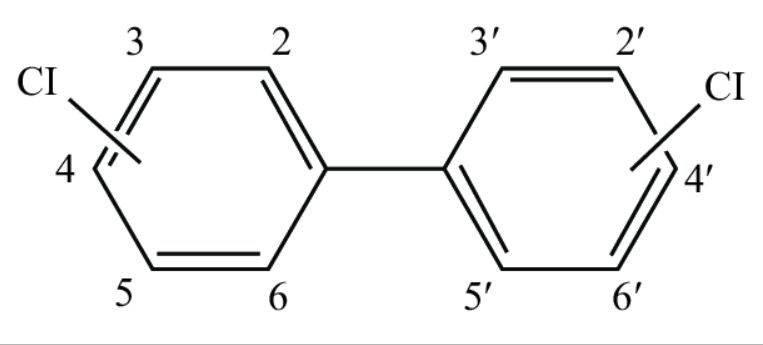
Polychlorinated biphenyls are man-made chemicals once used as coolants and lubricants in electrical equipment. They resist heat, fire, and chemical breakdown. The United States banned their manufacture in 1979, but a ban does not remove what was already released.
02
Aroclor
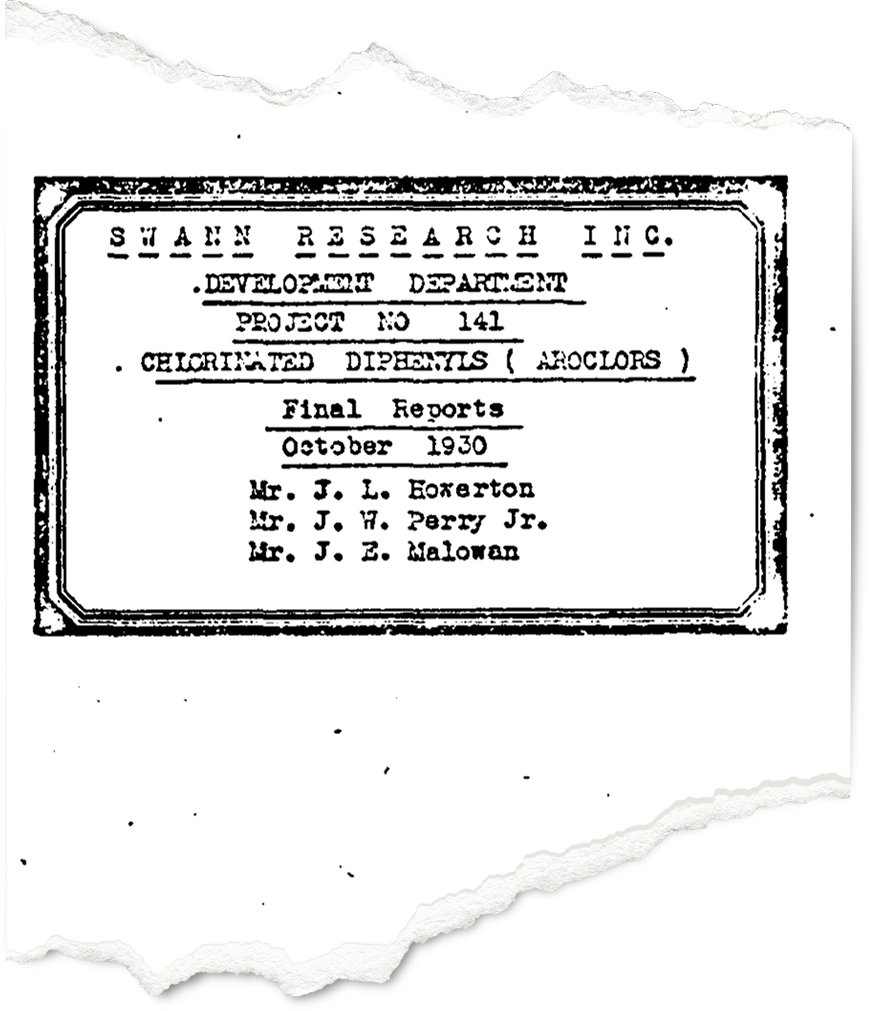
Aroclor was Monsanto's trade name for its PCB mixtures. The product's value came from stability. In Anniston, that same property became the central problem: a useful chemical could outlast the plant decisions, legal cases, and human lifetimes around it.
03
Blood, fat, and sediment
A blood test can offer one picture of exposure. PCBs can also accumulate in body fat. In waterways, they attach to sediment and move through fish and food chains. The film examines how those different measures shaped ideas of injury, cleanup, and compensation.
04
Follow the water
Snow Creek feeds Choccolocco Creek, which carries water toward Logan Martin Lake and the wider Coosa River system. That geography turns a plant story into a watershed story. What entered one creek did not remain at one address.
05
A separate chemical chapter
The Anniston Army Depot story is distinct from PCB contamination. The film includes it because the city also became home to the federal destruction of Sarin, VX, and mustard-agent weapons, adding another chapter in which technical assurances and public risk had to coexist.
06
PFAS and the present tense
PFAS are another family of chemicals valued for resisting heat, water, oil, and breakdown. Their appearance in the film is not a claim that history is repeating in exactly the same way. It raises a question Anniston already knows well: who carries the future cost of a chemical designed to last?