The Town
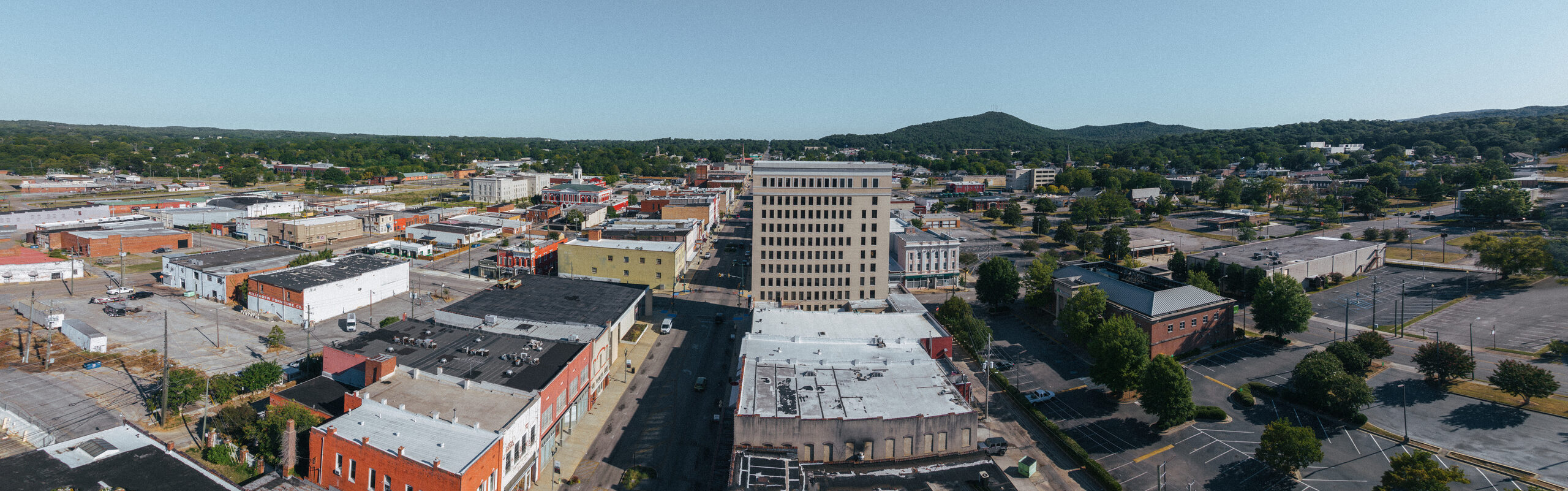
Anniston began in the 1870s as a planned company town. Its founders called it the Model City, a place shaped by iron, work, civic order, and industrial ambition. The name expressed confidence in a particular kind of future.
Chemical production arrived during the First World War. Commercial PCB production began in 1929, and Monsanto acquired the plant in 1935. The company sold its PCB mixtures under the name Aroclor, supplying chemicals valued for their resistance to heat, fire, and decay.
For years, the public story and the chemical record existed side by side. One lived in jobs, neighborhoods, schools, and civic memory. The other accumulated in Snow Creek, Choccolocco Creek, company files, and the bodies of people who lived nearby. Unnatural Disaster follows the moment those histories became impossible to separate.
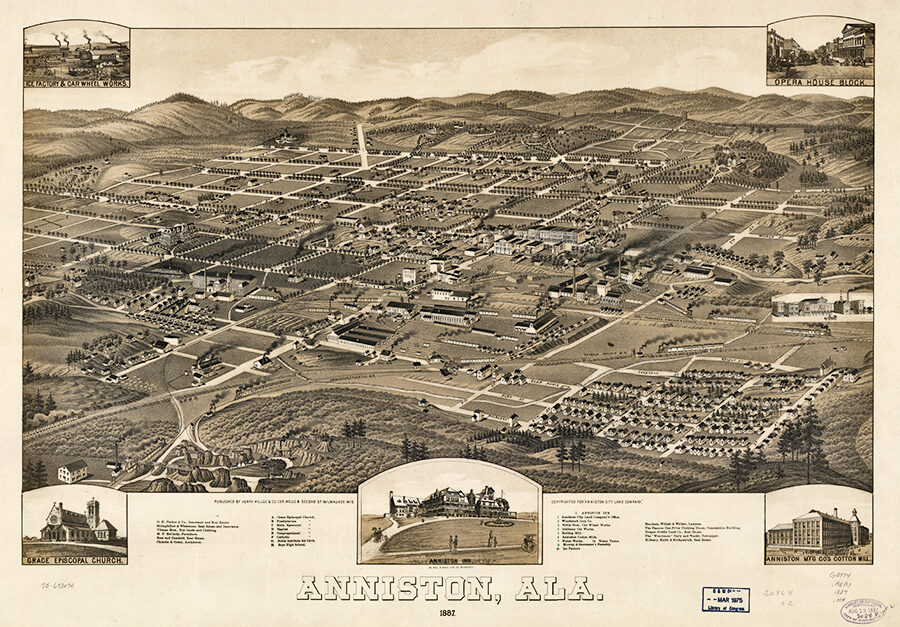
Anniston, Alabama, once promoted as the Model City.
Timeline of Contamination
A century and a half in the making
1870s
The Model City
Anniston is founded as a planned company town built around iron production and industrial ambition.
1917
Chemical production arrives
Theodore Swann begins chemical manufacturing in the area during the First World War.
1929
Commercial PCB production begins
The Anniston plant begins making polychlorinated biphenyls, chemicals prized for stability and electrical insulation.
1935
Monsanto acquires the plant
Monsanto purchases the Swann Chemical facility and produces PCB mixtures under the Aroclor name.
1966
Fish die in Snow Creek
Company testing records rapid fish deaths in water connected to the plant. The findings are not shared publicly at the time.
1969
A private warning
An internal memo marked “Confidential - F.Y.I. and Destroy” shows environmental risk and business consequences being weighed inside the company.
1979
PCB manufacturing is banned
The United States prohibits the manufacture of PCBs. The chemicals already released remain in soil, sediment, water, and food chains.
1993
Questions close to home
After his brother's death and growing concern about a white residue around the neighborhood, David Baker begins asking what residents had been exposed to.
1995 to 1996
Community Against Pollution forms
Residents organize, report fish kills, seek testing, and begin pressing agencies and the company for answers.
2001
The cases reach court
The Owens and Tolbert cases bring testimony, scientific evidence, and internal company records into public view.
2002
A landmark settlement
A global settlement totaling approximately $700 million is reached. It brings compensation and national attention, but not a simple conclusion.
2003
Cleanup begins
Court-directed cleanup moves forward as Solutia files for Chapter 11 bankruptcy.
2012
The facility changes hands
Eastman Chemical acquires Solutia and becomes the current owner of the facility.
2020
The first five-year review
The EPA reviews whether the selected remedies continue to protect people and the environment.
Present
The watershed remains under watch
Fish-consumption advisories remain in effect while Coosa Riverkeeper and others continue monitoring the waterways downstream.
Dates reflect widely reported history and should be verified against primary sources before publication.