Synopsis
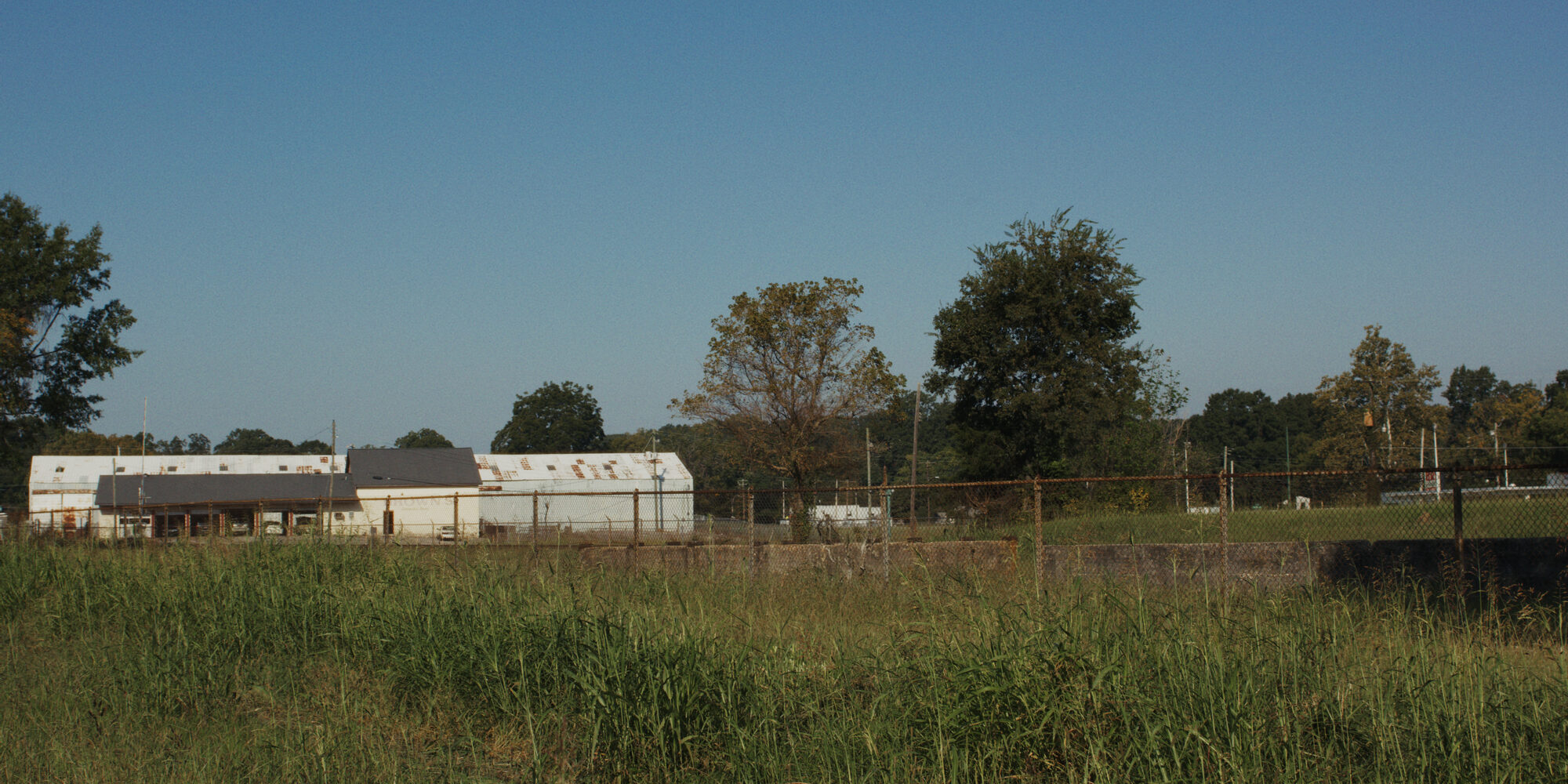
Unnatural Disaster is a documentary about Anniston, Alabama, a small Southern town with a history closely tied to industry. The film follows the people who lived through the discovery of widespread PCB contamination and those who remain involved in the work today.
David Baker recounts the questions that followed his brother's death, the white residue seen in his neighborhood, and the formation of Community Against Pollution. Cheryl Rein and Shirley Carter describe how contamination and the settlement entered everyday family life. Historian Ellen Griffith Spears places their experiences within the history of the Model City and the influence of a company town.
Guided by Justinn Overton, Executive Director of Coosa Riverkeeper, the film moves into the present. Dr. David Carpenter explains how PCBs accumulate in body fat, settle into riverbeds, and move through food chains. Pam Scully of the EPA and Gayle Harris of Eastman Chemical speak to regulation, cleanup, and the work taking place at the former Monsanto and Solutia facility. Their perspectives do not always align, but together they show how the same history is understood from different sides.
Archival footage of Johnnie Cochran returns to the legal cases and the approximately $700 million settlement reached in 2002. For many people outside Anniston, this is where the story ended. The film follows what happened before and after: how residents found answers, how exposure was measured, what the settlement changed, and what it could not resolve.
Anniston's history also includes a separate chemical chapter at the Anniston Army Depot, where the U.S. government destroyed chemical weapons. Newer concerns about PFAS bring the story into the present and raise questions about how communities understand chemicals designed to last.
Through firsthand accounts, archival material, science, and present-day river work, Unnatural Disaster tells a complicated story without reducing Anniston to its contamination. It is about a community shaped by industry, people who came to understand its costs in different ways, and questions that remain part of life in Anniston today.
Format
Documentary
Location
Anniston, Alabama, and the Coosa River system
Time span
The 1870s to the present
Central question
What does closure mean when contamination persists?
Status
In production
Explore further